



Infectious Disease
Infectious Disease
Infectious diseases like smallpox, plague, HIV AIDS, malaria and others have been ravaging the world since their discovery. Using live virus vaccine technology, Tonix is responding to the recent mpox (monkeypox) outbreak by developing a smallpox and mpox preventing vaccine. Through both proprietary, in-house initiatives, as well as strategic collaborations, Tonix is working to develop new vaccines and therapeutics to combat current and emerging infectious diseases. Tonix’s pandemic preparedness efforts are targeted to put a stop to all such public health emergencies.
Lyme Disease
Lyme disease is the most common vector borne-infection in the United States, driven by Borrelia burgdorferi transmitted through infected ticks. It occurs most commonly in the Northeast, mid-Atlantic, and upper-Midwest regions and people in these area are therefore at risk each year. Approximately 70 million people live, work or vacation in areas of the U.S. in which Lyme disease is endemic. An estimated 476,000 Americans are diagnosed and treated annually for Lyme disease, according to the Centers for Disease Control and Prevention, and the incidence is climbing each year.
Lyme disease bacteria are transmitted through the bite of infected Ixodes ticks. Typical symptoms include fever, headache, fatigue, and a characteristic skin rash called erythema migrans. If left untreated, infection can spread to joints, the heart, and the nervous system. Although many cases of Lyme disease can be treated successfully with antibiotics, diagnosis and treatment are often delayed or missed, and even with treatment, up to 20% of cases may progress to a Post-Treatment Lyme Disease Syndrome (PTLDS) called “Chronic Lyme” or “Long Lyme”. Despite the public-health burden, no FDA-approved vaccines or prophylactic treatments currently exist, leaving a substantial unmet need for effective, preventative options.
About Borrelia Burgdorferi
In infected deer ticks, Borrelia’s OspA lipoprotein binds to tick-gut receptor TROSPA and helps it adhere to the midgut lining. During a tick bite blood meal, Borrelia downregulates OspA, upregulates OspC, and activates motility genes. Borrelia undergoes a metamorphic-like transformation, becoming highly flagellated and mobile, which facilitates migration to the tick salivary glands and invasion of human host tissues. However, if a tick bites a person who has been previously administered TNX-4800, the tick ingests blood containing TNX-4800 antibodies, which kills the bacteria or blocks the metamorphic-like transformation of Borrelia in the tick’s midgut, either of which prevents transmission of the bacteria. Lyme-causing Borrelia-exposed or -infected individuals rarely make antibodies against OspA, which allows for reinfection despite having immunity to OspC. Consequently, we expect that protection against Borrelia would require annual prophylaxis with TNX-4800.

Mpox (Monkeypox)
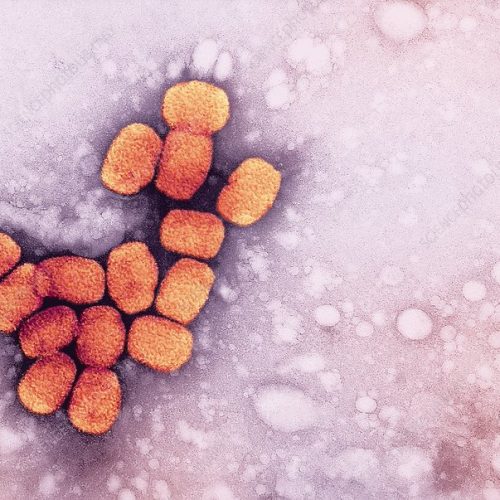
Mpox (formerly called monkeypox) is a contagious disease caused by infection with the monkeypox virus, a virus closely related to variola virus, which causes smallpox. After smallpox was declared eradicated routine smallpox vaccination was stopped worldwide in 1980. As smallpox vaccination cross-protects against mpox, mpox has become a growing problem in Africa. Beginning in 2022, mpox (Clade IIb strain) began to be reported in countries outside of Africa that had not historically reported the disease. Spread has been seen worldwide, including in Europe and in North and South America, resulting in 92,000 cases through early 2024. Mpox can spread through direct, often skin-to-skin, contact. This most recent global epidemic is predominantly, but not always, seen in men who have sex with men (MSM). While the Clade IIb strain of monkeypox virus is rarely fatal in adults, the virus can cause painful symptoms including a rash that may be located on or near the genitals or anus, or on the hands, feet, chest, face or mouth. Other symptoms could include fever, chills, swollen lymph nodes, exhaustion, muscle aches and backache, headache and respiratory symptoms. Of immediate concern to the global health community is the escalating number of Clade I strain monkeypox virus infections in Central Africa and neighboring countries. In contrast to the Clade IIb strain of mpox, the Clade I strain can have a mortality rate of 5-10% and is seen in both MSM, heterosexual, and child transmission. Indeed, in the current outbreak, children appear to account for the majority of infections and lives lost1,2.
Sources
1CEPI (Coalition for Epidemic Preparedness Innovations) accessed April 30, 2024. https://www.linkedin.com/posts/cepivaccines_united-in-the-fight-against-mpox-in-africa-activity-7186386652750131202-6fiQ/
2World Health Organization. High-Level Emergency Regional Meeting Communique. April 13, 2024 https://africacdc.org/news-item/communique-united-in-the-fight-against-mpox-in-africa-high-level-emergency-regional-meeting/
94,274
Confirmed Cases Worldwide
118
Locations with Cases
111
Locations That Have Not Historically Reported Monkeypox
As of March 5, 2024 Source: www.cdc.gov/poxvirus/monkeypox/about.html
Smallpox
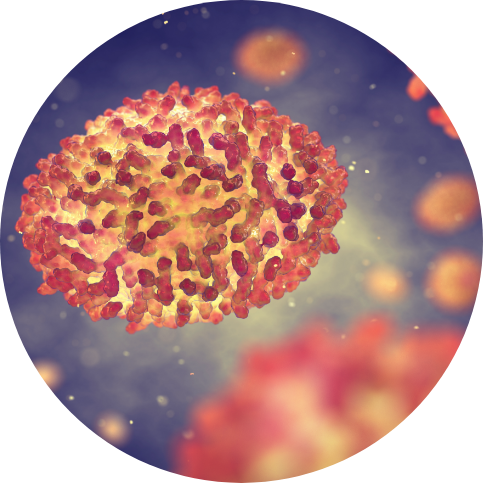
Smallpox is the result of an infection by the variola virus (VARV) that belongs to the genus Orthopoxvirus. This is an extremely progressive and contagious infection that leads to death if not treated quickly. Symptoms include fever, nausea, muscle ache and extreme skin pustules or rash. Smallpox infection is caused by inhalation of the airborne variola virus1. The last detected case of smallpox was in 1977 and by 1980 the World Health Organization, following a decades long global fight using smallpox vaccine, stopped routine vaccination. Vaccination had already been halted in the US by 1972. However, the threat of the smallpox virus being used as a bioweapon remains. The Bipartisan Commission on Biodefense reported “The FSU [Former Soviet Union] did not provide evidence that it destroyed all of its stores of weaponized smallpox, having previously buried tons on Vozrozhdeniye Island, Uzbekistan… Smallpox and other orthopoxviruses pose significant threats to the United States and the world due to their potential for weaponization, accidental release, and vulnerability of populations who stopped routinely vaccinating against smallpox in the 1970s.”2
Sources
1 https://www.niaid.nih.gov/diseases-conditions/smallpox
2 Bipartisan Commission on Biodefense. Box the Pox: Reducing the Risk of Smallpox and other orthopoxviruses (2024)